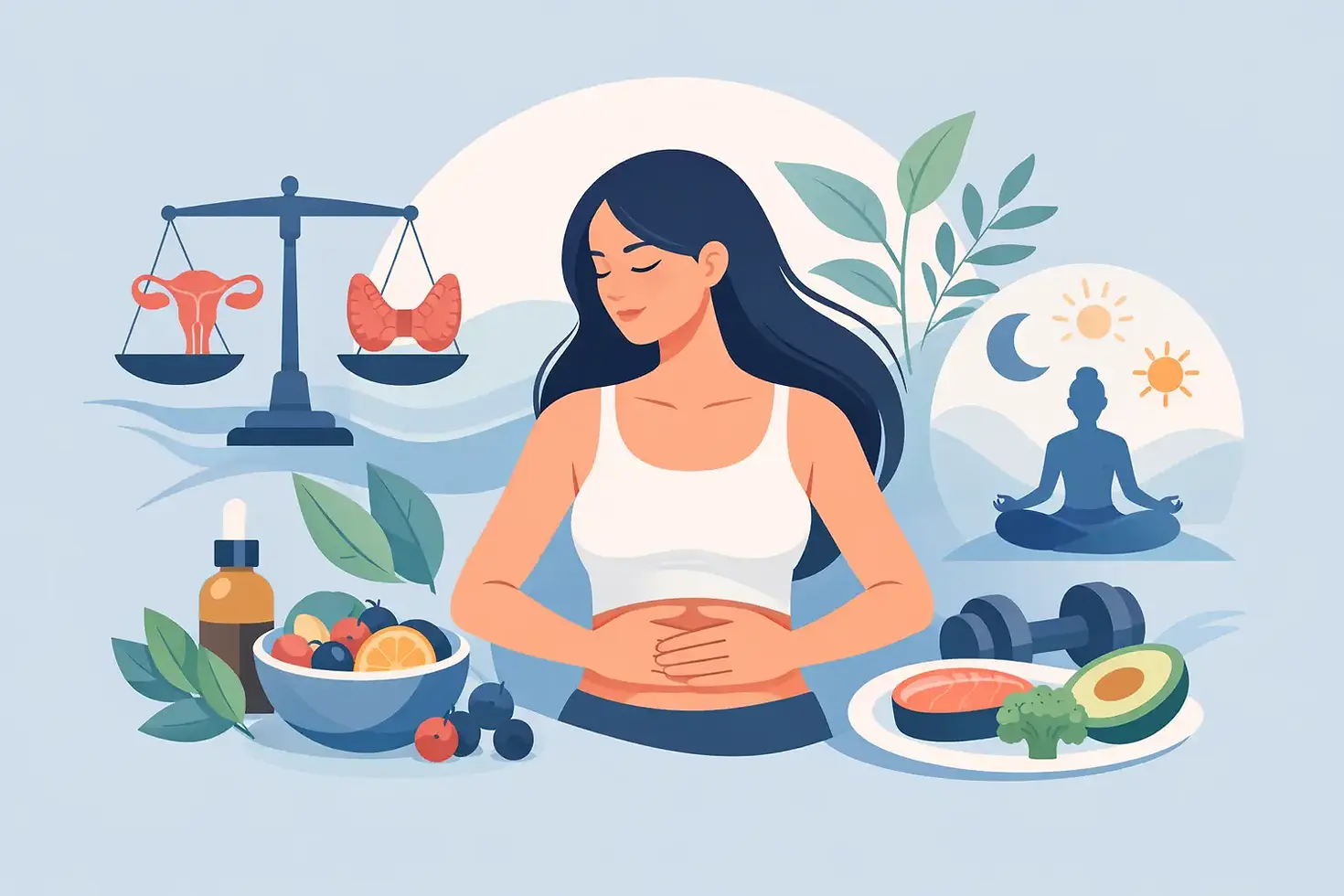
How to Balance Hormones Naturally
- By BodyMindSoulGuru
- May 4
- 6 min read
If your energy crashes by 2 p.m., your sleep feels unreliable, your mood shifts for no clear reason, or weight gain seems to happen despite your best efforts, hormones may be part of the picture. Learning how to balance hormones naturally starts with a simple truth: hormones rarely go off track in isolation. They respond to what your body is experiencing every day - stress, blood sugar swings, poor sleep, inflammation, nutrient gaps, and even how safe and supported your nervous system feels.
That is why quick fixes so often disappoint. Hormonal health is not about forcing your body into balance. It is about creating the conditions that allow balance to return.
What hormone balance really means
Hormones are chemical messengers that help regulate metabolism, appetite, sleep, mood, reproduction, thyroid function, stress response, and more. When people talk about a hormone imbalance, they are often referring to symptoms connected to cortisol, insulin, estrogen, progesterone, testosterone, or thyroid hormones. But these systems overlap. A sleep problem can affect cortisol. Cortisol can affect blood sugar. Blood sugar can affect sex hormones. Gut health and liver function can influence how hormones are produced, activated, and cleared.
This is why a root-cause approach matters. Instead of chasing one symptom, look at the bigger pattern. Are you under-eating and over-caffeinating? Training hard but not recovering? Going to bed exhausted but scrolling until midnight? Eating clean but living in a constant stress response? Natural hormone support works best when you stop separating the body into compartments and start supporting it as one integrated system.
How to balance hormones naturally through food
Food is one of the fastest ways to influence hormone signaling because it affects blood sugar, inflammation, gut health, and nutrient status. The goal is not perfection. The goal is steadiness.
Start with balanced meals that include protein, fiber, healthy fats, and quality carbohydrates. This combination helps stabilize blood sugar and insulin, which matters more than many people realize. Frequent spikes and crashes can increase stress hormones, intensify cravings, disrupt ovulation in some women, and make energy feel unpredictable. If breakfast is coffee and a granola bar, your body may spend the rest of the day trying to catch up.
Protein deserves special attention. It provides amino acids needed for neurotransmitters and hormone-related processes while also improving satiety. Many adults do not eat enough earlier in the day, which can set up late-night hunger, irritability, and poor recovery. Fiber is just as important because it supports the gut microbiome and healthy estrogen clearance through digestion. Vegetables, berries, beans, lentils, seeds, and oats can all help.
Healthy fats are not optional in a hormone-supportive diet. Your body needs fat for hormone production and for absorbing key nutrients. Avocados, olive oil, nuts, seeds, eggs, and fatty fish are practical staples. Carbohydrates also matter. Going too low-carb for too long can backfire for some people, especially if they are already stressed, sleeping poorly, or dealing with thyroid concerns. It depends on the person, but many do better with enough whole-food carbohydrates to support stable energy and nervous system resilience.
Stress, cortisol, and the overlooked hormonal drain
One of the biggest barriers to hormone balance is chronic stress. This does not only mean emotional stress. It can also come from overtraining, under-eating, poor sleep, inflammation, blood sugar instability, and a packed schedule with no margin to recover.
Cortisol is designed to help you respond to challenges. The problem is not cortisol itself. The problem is when your body never gets the signal that the challenge has passed. Over time, this can affect appetite, belly fat storage, thyroid conversion, sleep quality, menstrual regularity, libido, and mood.
If you want to know how to balance hormones naturally, stress regulation has to move from the wellness fringe to the center of your plan. That does not require a two-hour morning routine. It requires consistency. Five minutes of slow breathing after meals, a short walk outside, gentle yoga, prayer, journaling, or even creating quieter transitions between work and home can help lower the nervous system load. Small practices, repeated daily, often do more than occasional dramatic resets.
Sleep is hormone therapy you cannot skip
Many people try to eat for hormone balance while ignoring sleep, but sleep is when your body restores insulin sensitivity, regulates hunger hormones, supports detoxification, and repairs stress-related wear and tear. One week of poor sleep can make healthy habits feel much harder to maintain.
The first step is not buying supplements. It is protecting rhythm. Try to wake up and go to bed at roughly the same time most days. Morning light exposure can help anchor circadian signals that influence cortisol and melatonin. In the evening, dim the lights, reduce stimulation, and avoid treating bedtime like the only free time you have all day.
If sleep problems are persistent, ask better questions. Is caffeine too late in the day? Are blood sugar crashes waking you up? Is stress making it hard to downshift? Are alcohol and screen time quietly undermining recovery? Natural healing gets easier when you stop asking, "What helps me sleep tonight?" and start asking, "What is keeping my body from feeling safe enough to sleep well?"
Movement that supports hormones instead of draining them
Exercise can be powerful for hormone health, but more is not always better. The right amount depends on your current stress load, recovery capacity, and symptoms.
Strength training is especially helpful because it supports insulin sensitivity, metabolic health, bone density, and healthy body composition. Walking is underrated and often more sustainable than intense cardio when someone is already depleted. Gentle movement like yoga, mobility work, and stretching can also support parasympathetic activity, which helps the body shift out of fight-or-flight mode.
High-intensity exercise is not bad, but it can become another stressor when stacked on top of poor sleep, low calorie intake, and emotional overload. If your cycle is irregular, your cravings are intense, or your energy feels wired and tired, your body may need more recovery, not more punishment. Sustainable hormone balance often comes from training with your body, not against it.
Support the gut and liver for healthier hormone clearance
Hormone balance is not just about production. It is also about how hormones are processed and eliminated. Your gut and liver play major roles here, especially with estrogen metabolism.
Constipation, bloating, microbiome imbalance, and low fiber intake can all interfere with healthy hormone clearance. If digestion is sluggish, compounds that should leave the body may be recirculated instead. Supporting digestion through regular meals, hydration, adequate fiber, bitter foods, and less ultra-processed food can make a real difference over time.
The liver also needs nutritional support to do its job well. Cruciferous vegetables like broccoli, cauliflower, arugula, and Brussels sprouts are useful here, along with foods rich in antioxidants and sulfur compounds. This is one reason whole-food diversity matters. Restrictive dieting may reduce calories, but it often reduces the nutrient intake your body needs for repair and detoxification.
Natural tools that may help, with some caution
Herbs and supplements can be supportive, but they work best when the foundations are already in place. Magnesium may help with stress, sleep, and blood sugar regulation. Omega-3 fats can support inflammation balance. Adaptogenic herbs are popular for stress resilience, and some people find them helpful.
Still, natural does not automatically mean right for everyone. If you have thyroid disease, are pregnant, take medications, or suspect significant hormone issues such as PCOS, endometriosis, or perimenopausal symptoms, it is wise to get personalized guidance. The same herb that helps one person may aggravate another. This is where a structured, root-cause approach matters more than copying a trend from social media.
When symptoms need a closer look
Natural support is powerful, but it should not replace appropriate testing or medical care when symptoms are persistent, severe, or rapidly changing. Heavy periods, missed cycles, infertility, significant hair loss, new acne, sudden weight changes, chronic fatigue, anxiety, low mood, or signs of thyroid dysfunction deserve attention.
Sometimes the most empowering step is getting clearer data. Lab testing can reveal patterns with insulin, thyroid markers, iron status, vitamin D, inflammation, or sex hormones that help guide more targeted action. Holistic care does not reject science. It uses science and lifestyle medicine together to understand what your body is asking for.
The real path to long-term hormone balance
The most effective plan is usually less extreme than people expect. Eat enough. Build meals that stabilize blood sugar. Sleep on a schedule your body can trust. Move consistently without turning exercise into another stressor. Support digestion. Make room for nervous system recovery. Then give those habits time to work.
At BodyMindSoulGuru, this is the heart of natural healing: not chasing symptoms, but rebuilding the daily conditions that allow the body to function the way it was designed to. Your hormones are not failing you. More often, they are responding intelligently to the signals they receive.
Start by changing the signals. One calmer morning. One balanced meal. One earlier bedtime. One week of steadier care. That is where real transformation begins.


Comments