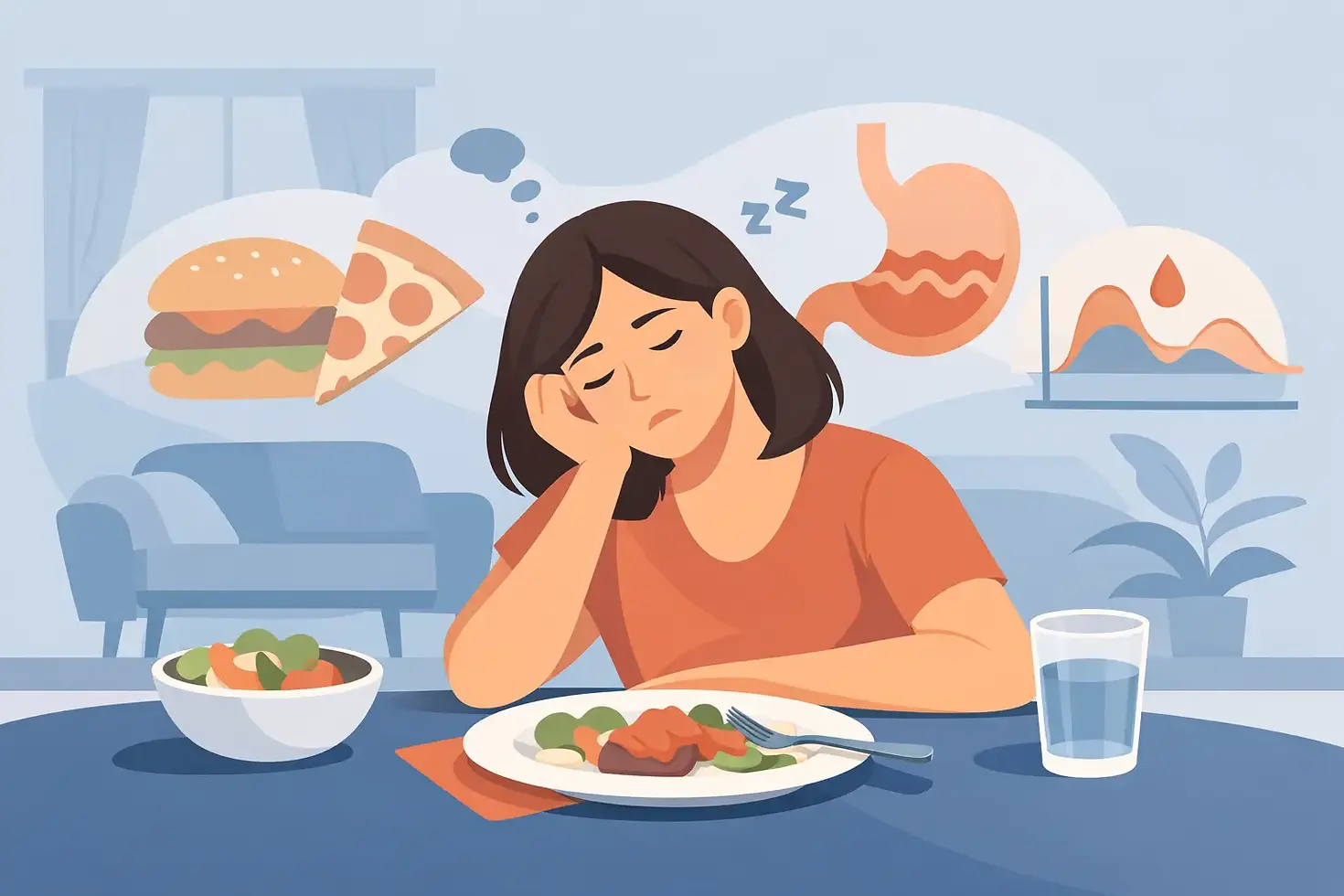
Why Am I Tired After Eating? Common Causes
- By BodyMindSoulGuru
- May 31
- 6 min read
Lunch is over, your plate was satisfying, and yet within 30 minutes your focus drops, your body feels heavy, and all you want is a nap. If you have ever wondered, why am I tired after eating, the answer is usually not just that you ate too much. Post-meal fatigue can reflect how your body is handling blood sugar, digestion, stress, sleep, meal composition, and even hidden inflammation.
Feeling sleepy after a meal can be normal once in a while, especially after a large holiday dinner or a rushed, stressful day. But if it happens often, it is worth paying attention. Your body may be giving you useful information about what it needs in order to create steadier energy.
Why am I tired after eating so often?
There is no single cause of post-meal sleepiness. Most people experience it because several factors are stacking together at the same time. A meal that is high in refined carbs, eaten quickly, on top of poor sleep and chronic stress, will affect the body very differently than a balanced meal eaten in a calm state.
From a root-cause perspective, fatigue after eating is often about metabolic demand. Digestion requires energy. Blood flow shifts toward the digestive system. Hormones rise and fall. If your nervous system is already depleted, your blood sugar is unstable, or your gut is under stress, that normal digestive workload can feel much heavier.
Blood sugar spikes and crashes
One of the most common reasons people feel drained after meals is a blood sugar swing. When you eat a meal that is heavy in refined carbohydrates or sugar, your glucose can rise quickly. Your body responds by releasing insulin to move that glucose into cells. If the rise is sharp, the drop afterward can also be sharp, leaving you foggy, shaky, sleepy, or craving more food.
This does not mean carbohydrates are bad. It means the type, amount, and context matter. A pastry and sweet coffee on an empty stomach is more likely to trigger a crash than a meal with fiber-rich carbs, protein, healthy fat, and minerals.
Meals that are too large or too heavy
Big meals can lead to a noticeable dip in energy simply because digestion becomes a major task. Very high-fat meals can also feel heavy and slow, especially if your digestion is already sluggish. Some people notice this after restaurant meals, holiday meals, or late-night eating.
Large portions are not automatically unhealthy, but they may not match your current digestive capacity. If you already deal with bloating, reflux, or constipation, the body may struggle even more after a dense meal.
Poor sleep and circadian disruption
Sometimes the meal is not the main problem. Sleep debt can make any normal post-meal shift feel extreme. If you are running on too little sleep, your body has less resilience to manage blood sugar, digestion, and mental focus. That midday sleepiness after lunch may be partly breakfast or lunch related, but it may also be last night related.
Circadian rhythm matters too. Many people naturally experience a mild energy dip in the early afternoon. If your meals are unbalanced or your sleep schedule is irregular, that normal dip can become much more intense.
Stress, burnout, and nervous system imbalance
Chronic stress changes digestion in powerful ways. When you are in a constant fight-or-flight state, blood flow, stomach acid, enzyme release, and gut motility can all be affected. Then when you finally sit down to eat, the body may swing hard into a parasympathetic, rest-and-digest mode, and you feel the crash.
This is especially common in people who skip meals, work through lunch, eat while multitasking, or stay in a high-alert state most of the day. The tiredness is not just about food. It is about the transition from stress chemistry into digestion.
Other reasons why you feel tired after eating
Sometimes post-meal fatigue points to a deeper pattern that deserves attention rather than self-blame.
Food sensitivities or digestive strain
Some people feel especially sleepy after eating certain foods rather than all meals. That can happen with food sensitivities, histamine issues, or meals that trigger digestive inflammation. Gluten, dairy, highly processed foods, and alcohol are common examples, though triggers vary from person to person.
If fatigue comes with bloating, brain fog, skin flares, sinus symptoms, or changes in bowel habits, your body may be reacting to more than calories alone.
Insulin resistance or prediabetes
Frequent fatigue after meals can sometimes be linked to insulin resistance, especially if it comes with increased belly weight, cravings, energy crashes, or a family history of blood sugar issues. In this case, the body is having a harder time managing glucose efficiently.
This is where guesswork has limits. If post-meal fatigue is persistent, intense, or getting worse, it is wise to discuss it with a qualified healthcare professional and consider basic lab work.
Dehydration and low nutrient status
Low hydration, low iron, poor magnesium intake, and inadequate B vitamins can all contribute to low energy. A meal may simply expose the fatigue that is already there. If you are undernourished, overcaffeinated, or relying on convenience foods, the body may not have the reserves needed to maintain stable energy through the day.
How to support steady energy after meals
The goal is not to eat perfectly. The goal is to help your body process food in a way that feels nourishing rather than draining.
Build meals that balance blood sugar
A simple place to start is combining protein, fiber, and healthy fat at most meals. This slows glucose absorption and helps you feel more stable afterward. For many people, that looks like eggs with vegetables and avocado, Greek yogurt with chia and berries, or salmon with quinoa and roasted greens.
If you regularly eat carb-heavy meals by themselves, try adjusting the order and balance rather than eliminating foods. Adding protein and fiber often changes the energy response dramatically.
Eat with a calmer nervous system
How you eat matters almost as much as what you eat. If you eat while anxious, driving, scrolling, or answering emails, your digestion may be less efficient. Slowing down, chewing thoroughly, and taking a few deep breaths before a meal can help shift the body into a state where it can better digest and absorb nutrients.
This may sound simple, but it is a powerful form of root-cause support. The body reads safety through repetition.
Notice your portion size and timing
If large meals make you sleepy, experiment with more balanced portions or eating earlier in the day. Some people do better with three moderate meals, while others feel better with smaller, evenly spaced meals. It depends on appetite, blood sugar regulation, activity level, and digestive comfort.
Late, heavy dinners can also set up poor sleep, which then worsens next-day fatigue. That cycle is common and easy to miss.
Walk after meals
A short walk after eating can support blood sugar control, circulation, and digestion. It does not need to be intense. Even 10 minutes of gentle movement can help reduce that sluggish, foggy feeling.
This is one of the most practical habits because it is simple, free, and effective for many people.
Track patterns instead of blaming yourself
If you keep asking, why am I tired after eating, start gathering clues. Notice which meals trigger fatigue, how quickly it happens, how you slept the night before, your stress level, and any digestive symptoms. Patterns often reveal themselves within a couple of weeks.
This is where holistic health becomes practical. You are not chasing random symptoms. You are learning how your body responds to inputs.
When to look deeper
Occasional sleepiness after a meal is common. But if you feel exhausted after eating most of the time, or the fatigue comes with dizziness, headaches, heart palpitations, nausea, major brain fog, or strong cravings, it is time to investigate further.
It may be helpful to assess blood sugar health, iron status, thyroid function, sleep quality, stress load, and gut health. A root-cause approach looks at the full picture rather than assuming there is one magic fix. At BodyMindSoulGuru, this whole-person lens is central because lasting energy is rarely created by one food swap alone.
Your body is always communicating. Post-meal fatigue is not a personal failure or a sign that you lack willpower. It is feedback. When you start responding with curiosity, steadier meals, better recovery, and nervous system support, energy often becomes more reliable in ways that feel both natural and sustainable.
The next time a meal leaves you drained, resist the urge to push through and ignore it. That moment may be the beginning of understanding what your body has been trying to tell you all along.


Comments